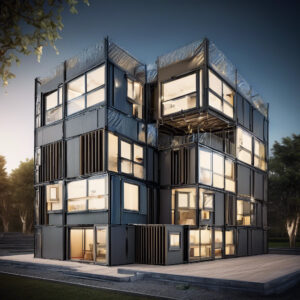
Modular buildings have gained immense popularity as cost-effective, flexible, and sustainable solutions for various industries. Whether used for residential, commercial, or industrial purposes, modular structures provide a fast and efficient alternative to traditional construction. However, successfully selling modular buildings requires a strategic marketing approach that combines digital outreach, branding, and industry networking.
In this article, we will explore the most effective marketing strategies to promote a modular buildings for sale company. From establishing a strong online presence to leveraging customer testimonials and industry partnerships, these approaches will help generate high-quality leads and convert them into long-term customers.
Understanding Your Target Market
Before implementing any marketing strategy, it is crucial to define your target audience. Modular buildings cater to a wide range of clients, including:
Commercial businesses needing office spaces, retail units, or warehouses.
Educational institutions looking for temporary classrooms or campus expansions.
Healthcare facilities requiring urgent care clinics, mobile medical units, or modular hospitals.
Government agencies needing emergency shelters or temporary offices.
Construction companies in need of on-site offices and worker accommodations.
Homeowners and real estate developers exploring prefabricated housing solutions.
Identifying your ideal customer profile will help tailor marketing messages and choose the most effective channels to reach potential buyers.
Building a Strong Online Presence
Develop a Professional Website
Your website serves as the digital storefront of your business. Ensure it is well-designed, user-friendly, and optimized for conversions. Key features of a successful modular buildings website include:
Clear branding and messaging that communicate your unique selling proposition.
High-quality images and videos showcasing completed projects.
Detailed product descriptions with specifications and customization options.
Customer testimonials and case studies to build trust.
A contact form and call-to-action (CTA) buttons for easy lead generation.
A blog section with industry insights and modular construction benefits.
Optimize for SEO
Search Engine Optimization (SEO) helps improve your website’s visibility in search engines like Google. Use the following SEO tactics to attract organic traffic:
Keyword Research – Identify terms potential buyers use (e.g., “modular office buildings for sale,” “prefab homes for commercial use”).
On-Page Optimization – Use keywords in titles, meta descriptions, headers, and content.
Local SEO – Optimize your Google Business Profile and list your company in local directories.
Backlink Building – Get featured on industry websites, forums, and blogs.
Content Marketing – Regularly publish blog articles on modular construction trends, benefits, and case studies.
Leverage Social Media
Social media platforms provide an excellent opportunity to engage with potential buyers and showcase your modular building solutions. Consider these strategies:
Facebook & Instagram: Post images, videos, and customer success stories.
LinkedIn: Connect with industry professionals and share thought leadership content.
YouTube: Create video tours of modular buildings, installation processes, and client testimonials.
Pinterest: Showcase modular building designs to attract architects and developers.
Twitter: Share industry news and engage in discussions with construction professionals.
Implementing Digital Advertising
Google Ads
Running pay-per-click (PPC) ads on Google can drive highly targeted traffic to your website. Create campaigns targeting:
Users searching for modular buildings in specific locations.
Industries that commonly use modular solutions.
Competitor keyword searches to capture potential leads.
Social Media Advertising
Platforms like Facebook, Instagram, and LinkedIn offer highly targeted advertising options. Use these to promote:
Special offers or discounts on modular buildings.
New product launches.
Customer success stories.
Engaging video content showcasing your projects.
Retargeting Campaigns
Retargeting helps you reach users who have visited your website but didn’t make an inquiry. Display ads on various platforms reminding them of your offerings and encouraging them to take action.
Building Industry Relationships
Partner with Contractors and Developers
Establishing relationships with construction firms, architects, and developers can lead to bulk sales and repeat business. Attend industry conferences and join professional networks to connect with key stakeholders.
Collaborate with Real Estate Agencies
Real estate agents working with commercial and residential clients can recommend modular buildings as a viable solution for their customers. Offer them commission-based partnerships to incentivize referrals.
Attend Trade Shows and Expos
Industry events provide an excellent platform to showcase your modular buildings, network with potential buyers, and establish credibility in the market. Prepare an engaging booth with brochures, business cards, and digital presentations.
Leveraging Customer Success Stories
Collect Testimonials
Positive reviews from satisfied customers can significantly influence new buyers. Request testimonials and display them prominently on your website and marketing materials.
Create Case Studies
Showcase how your modular buildings have helped businesses solve specific challenges. Include details on cost savings, construction time, and overall satisfaction.
Use Video Testimonials
A well-produced video testimonial adds authenticity to your brand and helps potential customers visualize the benefits of working with you.
Offering Value-Added Services
Financing Options
Many potential buyers may hesitate due to financial constraints. Partner with financing institutions to offer flexible payment plans and leasing options.
Customization and Design Assistance
Providing design support and customization options allows customers to create modular buildings that meet their specific needs, making your business stand out from competitors.
Warranty and After-Sales Support
A strong warranty program and reliable after-sales support build trust and encourage repeat business.
Measuring and Optimizing Performance
Track Website Analytics
Use tools like Google Analytics to monitor website traffic, conversion rates, and user behavior. Adjust your marketing strategies based on data insights.
Monitor Ad Performance
Regularly assess the performance of your digital ad campaigns and optimize them to improve ROI.
Gather Customer Feedback
Conduct surveys and interviews to understand customer pain points and improve your offerings accordingly.
Conclusion
Marketing a modular buildings for sale company requires a combination of digital strategies, industry networking, and customer relationship management. By building a strong online presence, leveraging targeted advertising, and fostering partnerships with industry stakeholders, you can position your company as a leader in the modular construction industry.
Consistency and adaptability are key—stay updated with industry trends and continuously refine your marketing efforts to achieve sustained business growth. By implementing these strategies, your modular building business can attract high-quality leads, establish a strong brand reputation, and ultimately drive more sales.