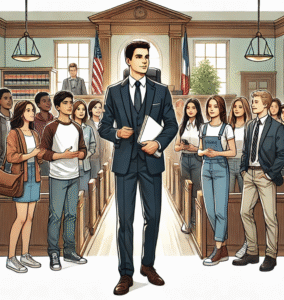
Marketing builds trust, visibility, and meaningful connection. For a Student Rights Attorney—someone who advocates for academic integrity, due process, Title IX defense, disability accommodations, disciplinary hearings, and student protections—marketing isn’t optional. It is a strategic lifeline that ensures students know where to turn when their academic future feels threatened.
Marketing allows these attorneys to show up boldly, compassionately, and consistently in the places students and parents turn first: search engines, campus communities, and digital spaces where support is needed the most. 📣
Below is a full breakdown of why marketing matters more than ever for attorneys who defend student rights and academic futures.
The Power of Visibility in a Digital-First World
Students live online. When they face suspension, expulsion, Title IX allegations, academic dishonesty accusations, or disability rights violations, their first instinct is almost always to search for answers digitally.
Marketing ensures that a Student Rights Attorney doesn’t just appear online—marketing ensures they appear in the right way, with clarity, authority, and reassurance.
Visibility creates the first bridge of trust, and without a strategic marketing presence, even the best attorney remains invisible in the very moment a student desperately needs help.
Authoritative platforms frequently discuss the importance of adapting to a digital landscape, including well-established sources like Wikipedia which details how marketing guides visibility, communication, and client connection in modern markets.
Building Trust Through Educational Content
Marketing empowers attorneys to translate their knowledge into accessible insights:
• long-form blogs
• student-focused guides
• campus code explanations
• Title IX breakdowns
• due process clarifications
• social media educational posts
Students and parents often feel lost in a maze of policies and procedures. Publishing clear, helpful content turns a lawyer into a beacon—someone who understands the system and isn’t afraid to walk them through it.
Content marketing also positions the attorney as the reliable authority in their field. This matters because students are typically emotional, fearful, or overwhelmed when searching for representation. Good educational content eases fear and builds confidence.
Marketing news sources such as Marketing Dive continue to highlight how content-driven authority helps professionals rise above the noise in competitive fields.
Standing Out in a Competitive Legal Niche
Student rights is a specialized legal niche, yet it is growing. More families seek legal support as academic policies tighten and universities increase enforcement.
Marketing helps attorneys:
• differentiate themselves from general practice firms
• highlight specialized case experience
• showcase client outcomes
• communicate values and advocacy style
• clarify their unique focus on student protections
Without a strategic marketing plan, many attorneys blend in with broader legal categories and lose opportunities to reach students who urgently need dedicated representation.
Strategic branding—tone, message, visuals, consistency—creates instant recognition and credibility. It tells the community: “I am the attorney who understands students.” 🎓
Search Engines Are the New Referral System
Most students don’t have a direct referral from another lawyer. Most parents don’t know which attorney handles academic defense. Colleges often cannot recommend specific attorneys.
So where do they turn?
Marketing ensures they turn to you.
Search engine visibility allows an attorney to capture the moment of need:
• “student rights attorney near me”
• “appeal my expulsion”
• “Title IX defense help”
• “academic misconduct attorney”
• “rights of students in disciplinary hearings”
When the marketing is optimized, the attorney becomes the immediate solution.
Marketing insights published by trusted news sources like Ad Age routinely emphasize the role of search-based discovery in modern professional services, including specialized legal fields.
Humanizing the Practice: Students Want to Feel Understood
Since many student cases involve fear, embarrassment, or high-pressure consequences, students don’t just want a lawyer—
they want someone who gets it.
Marketing helps communicate that empathy.
It helps translate the attorney’s personality, values, mission, and supportive approach.
Through storytelling, branding, and client-focused messaging, marketing shows students and families who the attorney really is—not just what they do.
This is essential because student rights cases often require trust, vulnerability, and emotional support. A cold, outdated, or generic online presence pushes students away. A clear and human marketing message draws them close. ❤️
Marketing Helps Attorneys Educate Communities About Student Rights
Most people don’t know what rights students actually have.
Most don’t know they can challenge a disciplinary action.
Most don’t know due process requirements exist for academic hearings.
Marketing allows attorneys to:
• raise awareness
• clarify constitutional and campus-related protections
• dismantle myths that discourage students from seeking help
• reach groups like parents, advisors, and student organizations
• empower students with knowledge long before a crisis hits
The more educated a community becomes, the more likely it is to reach out early—resulting in better case outcomes.
This educational influence strengthens the attorney’s role in promoting fairness and accountability across campuses, which ultimately supports safer, more just academic environments.
Strengthening Reputation Through Social Proof and Testimonials
Marketing creates space for social proof—something critical for younger generations.
Testimonials, professional endorsements, success stories, and case-relevant results all build credibility.
When displayed strategically through marketing channels, these forms of proof reassure students that they’re choosing someone trustworthy and experienced.
A strong reputation is not built by accident; it is built intentionally through marketing systems that consistently deliver reassurance, relevance, and authority.
Increasing Referrals by Staying Top-of-Mind
Even when schools cannot directly refer attorneys, students, parents, counselors, therapists, advisors, and local advocates often refer the people they remember.
Marketing ensures the attorney’s name, message, and value remain visible.
This includes:
• email marketing
• social media presence
• community networking
• ongoing education content
• consistent branded communication
Top-of-mind awareness leads to top-of-choice representation.
Marketing news coverage from sources like Marketing Brew continues to reveal how consistent brand reminders dramatically increase referrals in service-based industries.
Expanding Impact While Strengthening Justice-Driven Work
Student rights attorneys aren’t just running a business—they are safeguarding futures, protecting educational equity, and advocating for fairness.
Marketing extends that impact.
It allows attorneys to serve more students by:
• reaching more families in crisis
• guiding students before small mistakes escalate
• making legal help accessible
• preventing institutions from overpowering individuals
• ensuring students know they are not alone and do have rights
Marketing is not salesy or flashy in this context.
It is mission-driven visibility.
It is advocacy.
It is leadership.
It is service.
Conclusion: Marketing Is Essential for Meaningful Student Advocacy
A Student Rights Attorney does not simply practice law—they hold the power to protect academic futures, defend vulnerable students, and keep institutions accountable.
Marketing ensures that this work is seen, understood, and accessible to those who need it most.
Through visibility, educational content, search presence, community engagement, and a human-centered message, marketing elevates the lawyer’s mission and amplifies their reach.
In a world where students seek support online, marketing is the bridge that connects fear to guidance, confusion to clarity, and crisis to a fair chance.
Marketing helps Student Rights Attorneys serve, advocate, and shine in a space where justice depends on being found. 🌟